

By Benjamin Ortega
What ownership looks like
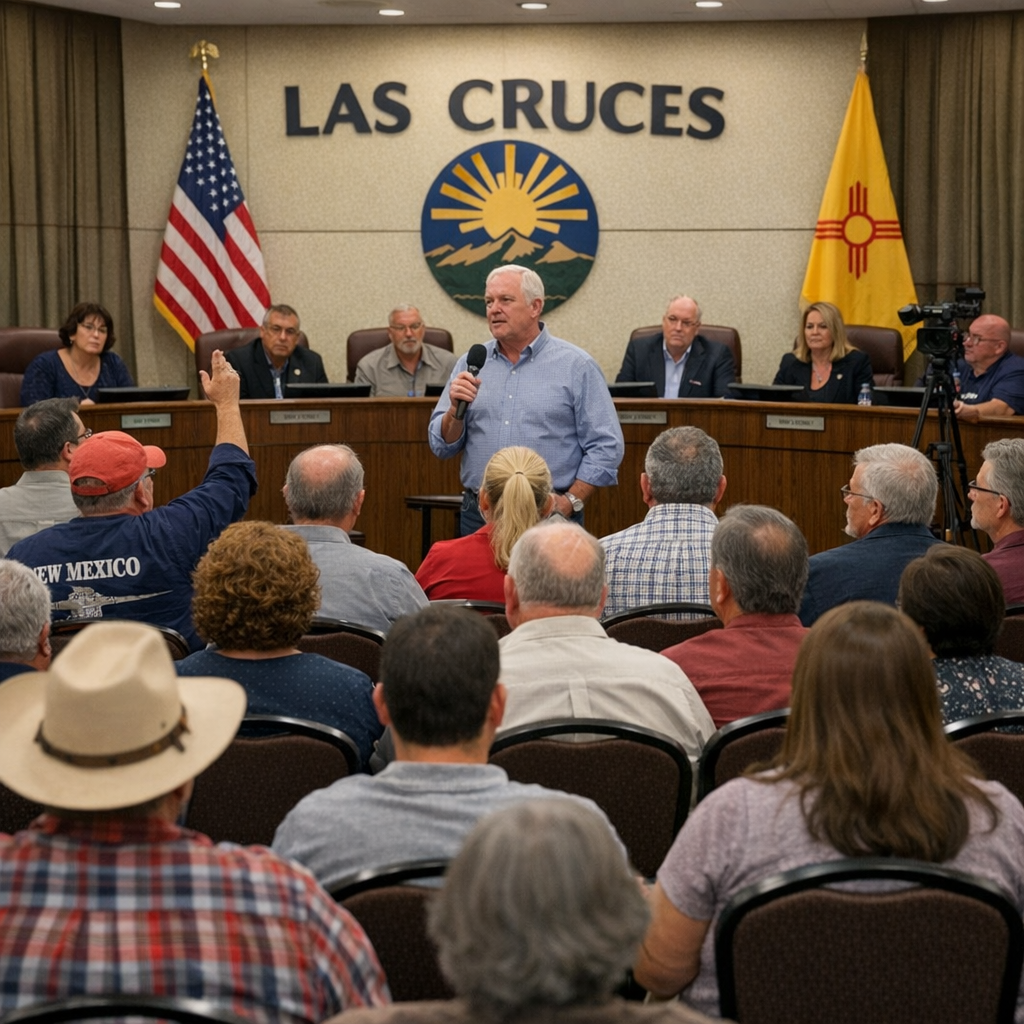
Las Cruces isn’t just where we live—it’s where we invest our hopes, carry our griefs, and build our stories. When city leaders hold listening sessions, surveys, or public meetings, they go beyond gathering feedback. Those are moments when locals reclaim agency over issues like mental health services, homelessness programs, public art, and housing. Ownership means seeing our futures reflected in public spaces, policies, and who gets to speak up at the table.
Where gaps still grow
But owning our future means confronting where participation falls short. Many of the opportunities for survey-driven decision making—like the city’s strategy updates—tend to attract folks who already know municipal jargon, has spare hours during the day, or feels confident speaking up. Those most affected by air pollution, lack of transit, utility costs, or gaps in medical care sometimes are the least likely to be heard. Ensuring equitable input means more than good intentions—it needs intentional outreach.
Culture and identity matter
Our identity as Las Cruceans—Hispanic heritage, native roots, rural backgrounds, students, retirees—defines our perspective. The threads of agriculture, New Mexican flavor in food and festivals, desert landscape, tight-knit neighborhoods—all these give our city a unique pulse. While growth and change are natural, they shouldn’t erase or dilute what makes us who we are.
Four ways your voice makes impact
Here’s where local viewpoints actually shift outcomes:
- Strategic planning: When we engage in citywide surveys and meetings, we shape policy priorities like infrastructure, parks, or housing investments.
- Art and public culture: Input about public art informs what gets funded, what gets built, and whose stories get seen—not just counted.
- Transportation design: Buses, bike paths, sidewalks—all reflect whether residents feel safe walking, riding, or riding the bus to school, work, or errands.
- Policies that touch daily life: Substance use, mental health access, public safety. Your stories inform not just what laws exist, but how they’re implemented.
You belong in this story
If you’ve ever felt ideas tossed aside because you didn’t think you had the right accent, education, where you live, or the right connections—you’re not alone. But every time those thoughts enter our heads is another reason to act. Speak up. Attend meetings. Share with neighbors. A vibrant city doesn’t come from leaders alone—it grows when each of us dares to speak, especially when it’s hard.
Looking ahead
As Las Cruces moves forward—through strategic planning, economic development, redesigning public transit, or supporting local artists—it’s not enough for us to show up quietly. We must claim our spot, make ourselves heard, insist that plans mirror our beliefs, our dreams, our needs. Because when decisions don’t include all of us, they’re decisions made about us—not by us. And that’s not the Las Cruces I want.